History has not been kind to Herbert Hoover and James Garfield.
Hoover has become synonymous with the Great Depression. If Garfield is remembered at all, it’s for his assassination.
Both deserve a reevaluation.
In this week’s episode of Beyond Ideology, we revisit two of America’s most misunderstood presidents to ask a larger question:
What has the Spirit of 1776 meant across the generations?
Allen tackles Herbert Hoover. whose extraordinary pre-presidency life had witnessed him rise from orphan to mining engineer, millionaire, international humanitarian, and cabinet secretary. Long before the Depression destroyed his reputation, Hoover fed millions across Europe and articulated a vision of American Individualism rooted in opportunity, responsibility, and service.
Conor examines the life of James A. Garfield, a man who may have been the greatest president America never had. Like Hoover, Garfield rose from poverty to become a professor, preacher, lawyer, Civil War general, congressman, and ultimately president. His remarkable life was cut short after only 200 days in office, leaving historians to wonder what might have been.
The lives of these two lost presidents reveal that at its heart, the American experiment has always been a great debate between different visions of the American Dream.
Those debates did not end in 1776; they continue today.
Our Bookshelf:
1. Hoover: An Extraordinary Life in Extraordinary Times by Kenneth Whyte
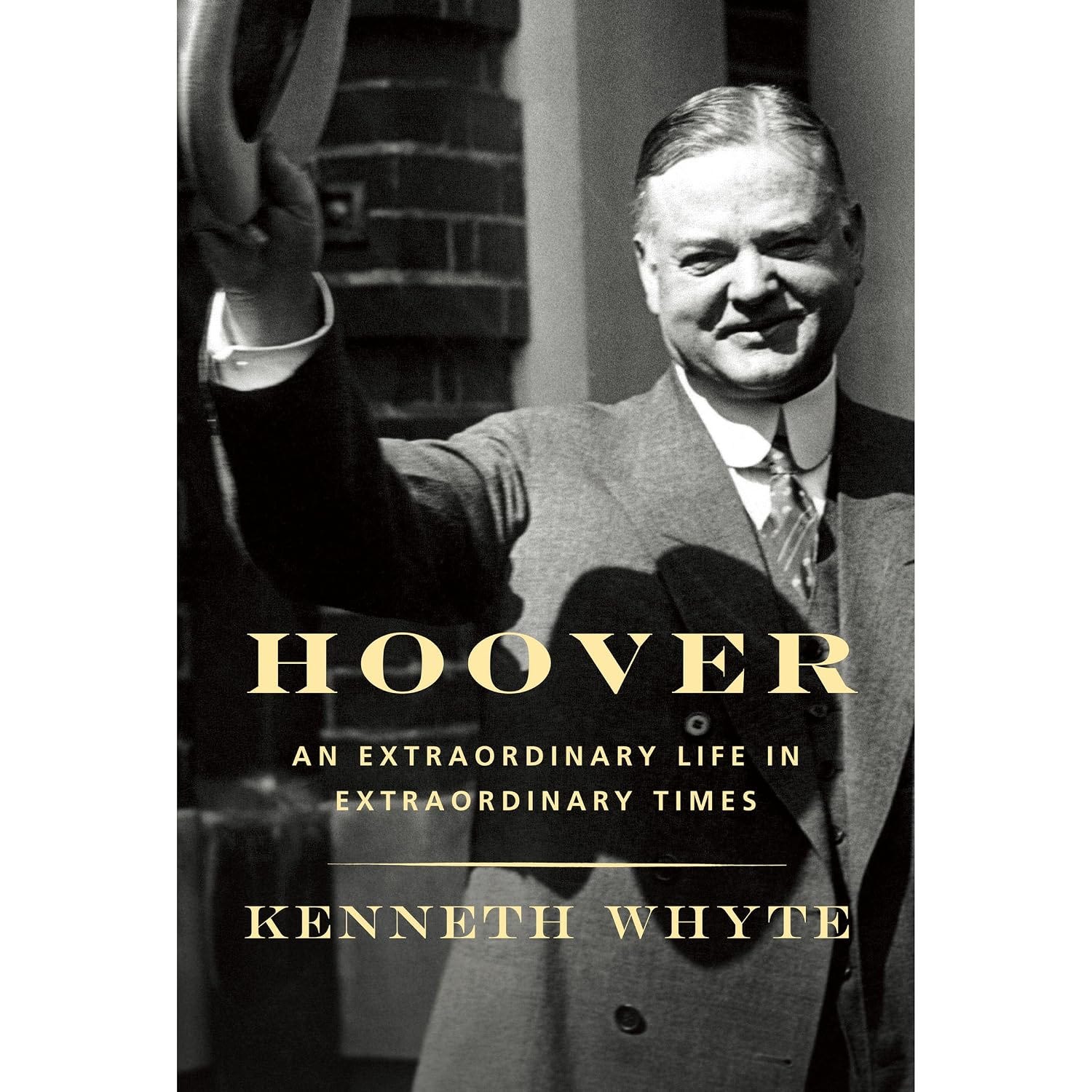
The definitive Hoover biography
Kenneth Whyte’s masterful biography is the best modern reassessment of Herbert Hoover. Rather than reducing Hoover to a Depression-era caricature of Hoovervilles and aloof disregard for human suffering, Whyte follows him from his impoverished childhood through his rise as a self-made engineer, global humanitarian, cabinet secretary, and ultimately president. The result is a deeply human portrait of one of America’s most misunderstood public figures.
Why read it?
It challenges the conventional caricature of Hoover and reveals the extraordinary humanitarian whose career and impact extended far beyond the White House.
2. American Individualism by Herbert Hoover
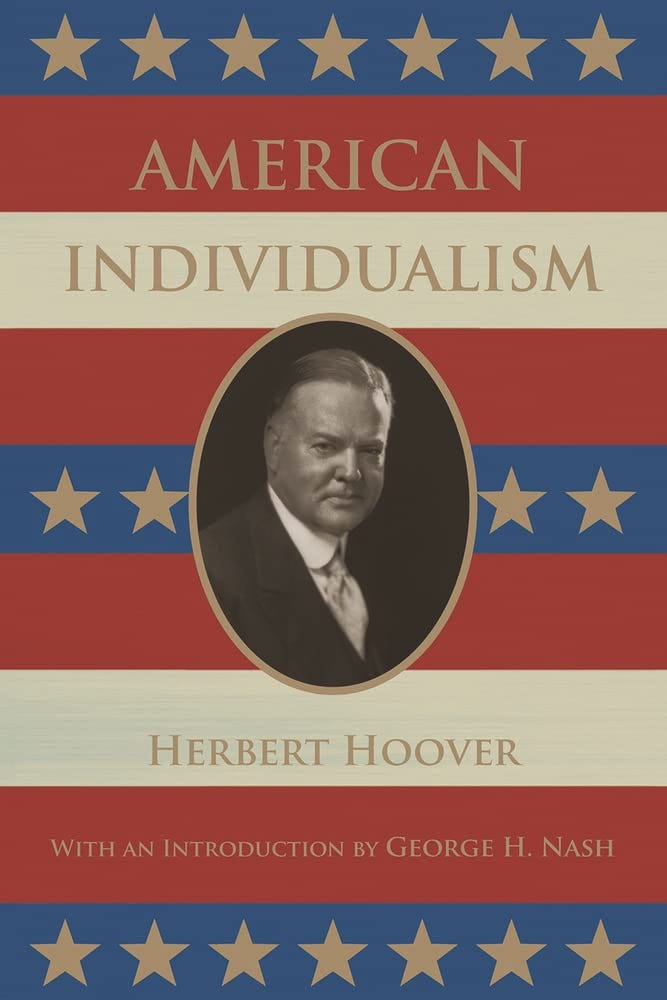
Hoover’s political philosophy
Published amidst his successful 1928 presidential campaign, American Individualism stakes out Hoover’s vision of the American Dream. In this slim volume—the 1920s equivalent of a campaign platform—Hoover rejects both laissez-faire absolutism and European collectivism, to argue for a uniquely American balance between individual liberty, equality of opportunity, voluntary cooperation, and a limited yet compassionate government.
Why read it?
It explains Hoover’s worldview and driving ideals in his own words.
3. Destiny of the Republic by Candice Millard
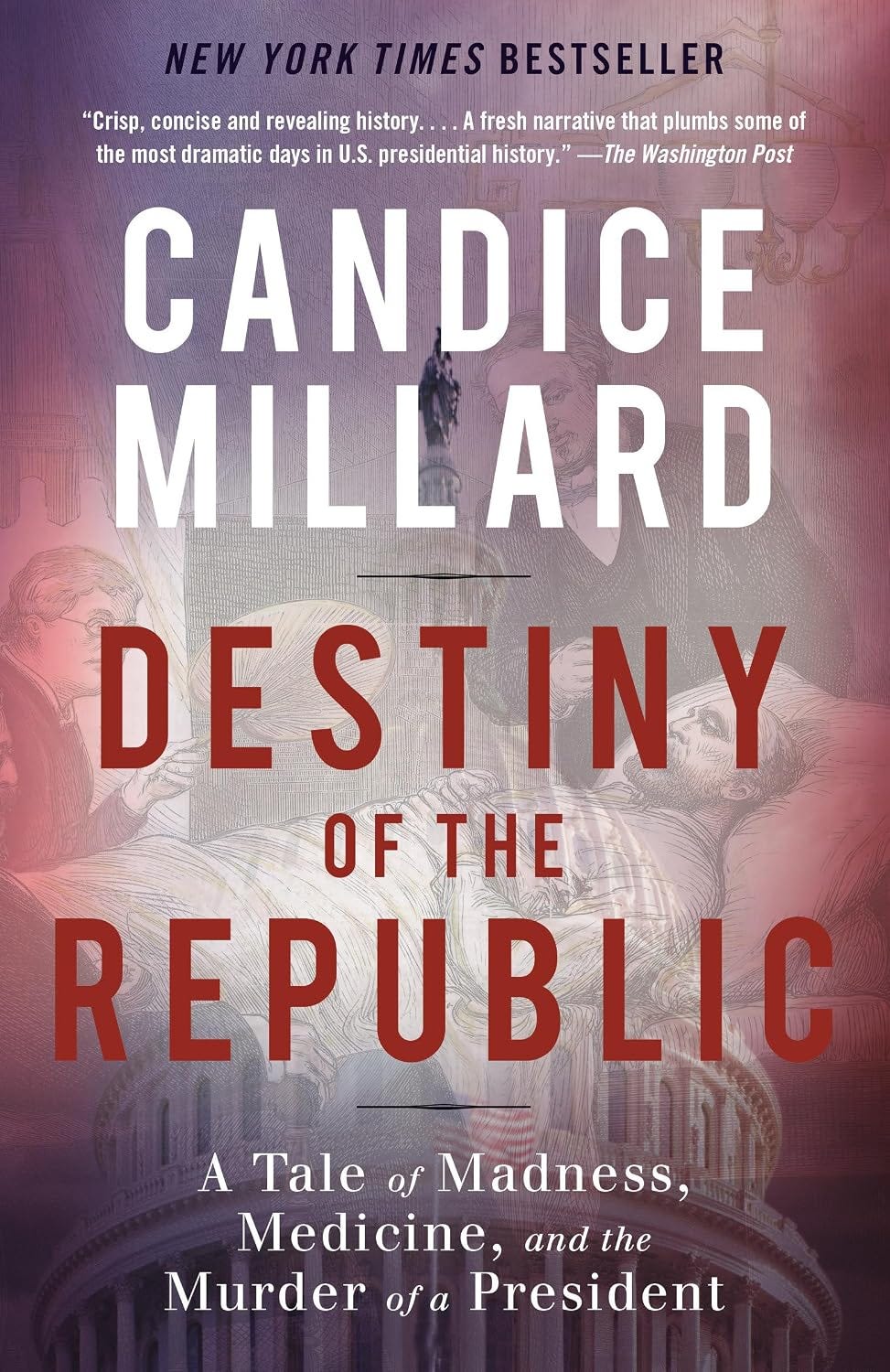
The assassination of James Garfield
Part political drama, an equal part true crime, and a dash of medical thriller, Millard masterfully weaves at least three narratives into one tapestry that illuminates 1880-1881. She juxtaposes the unlikely political rise of James Garfield with his murderer Charles Guiteau’s, descent into madness. Along the way, she introduces a cast of unforgettable characters, from Alexander Graham Bell to Charles Guiteau.
Why read it?
It is the most engaging introduction not only to this forgotten president but to Gilded Age America in all of its corruption and splendor.
Read Conor’s full book review:
The Death of a President and the Birth of Modern America

Is my Gilded Age rabbit hole drawing to a close? Only time will tell, but I hope you have enjoyed exploring this forgotten age alongside me.
4. From Radical to Unifier: The Political Transformation of James Garfield by C.W. Goodyear
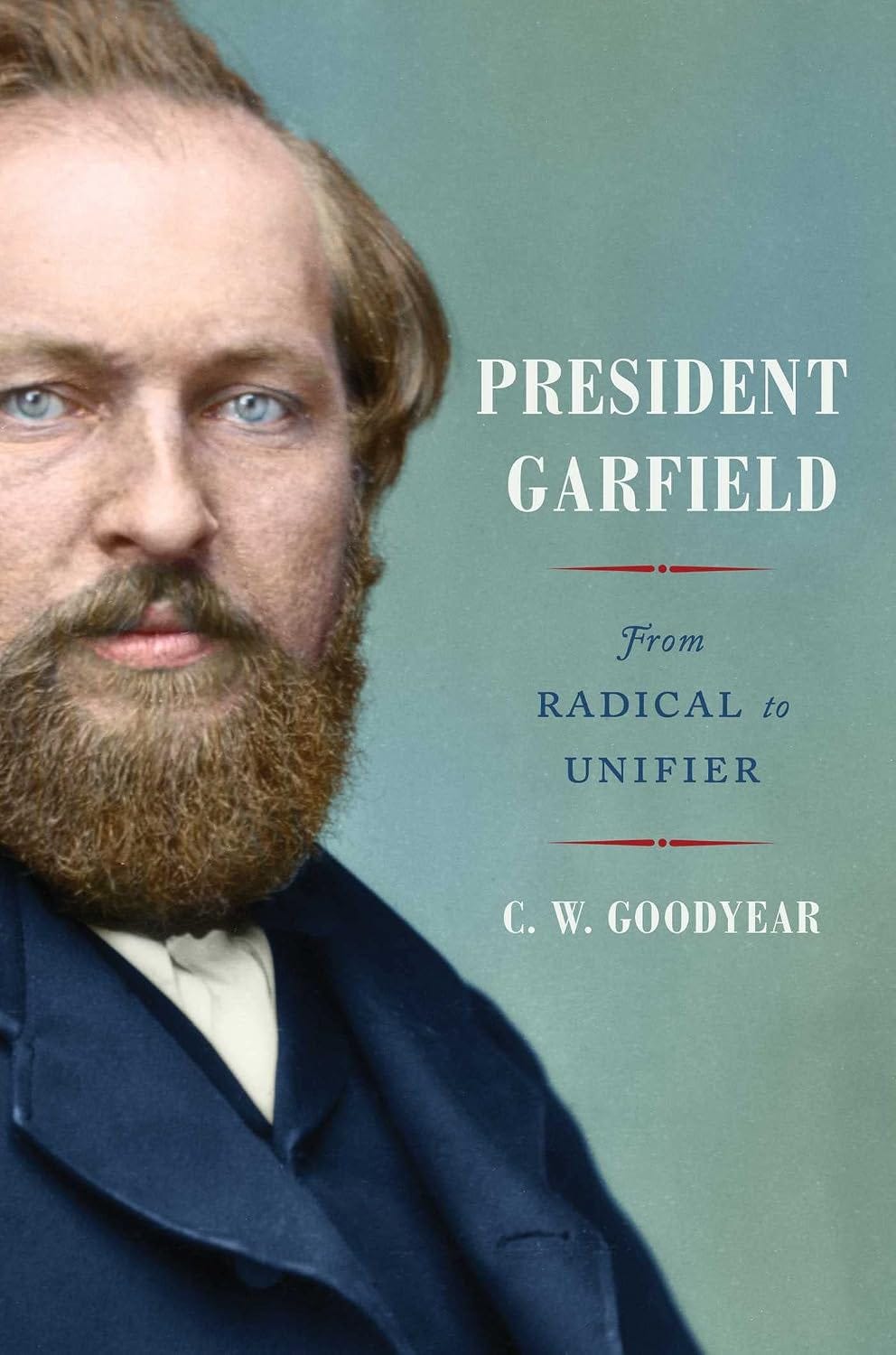
The political history
Goodyear moves beyond Garfield’s assassination to examine the ideas and convictions that shaped his remarkable political career. He traces Garfield’s evolution from Radical Republican congressman in the 1860s to consensus-building national leader by the late 1870s. This examination offers the fullest account yet of Garfield’s vision for Reconstruction, civil service reform, and the future of the American republic.
Why read it?
It restores Garfield to his rightful place as one of America’s most thoughtful statesmen.
Our Watchlist
Death by Lightning (Netflix)
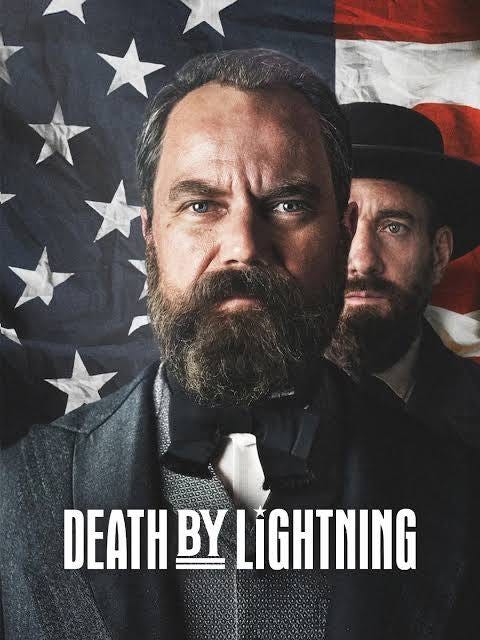
The dramatization
Netflix’s adaptation of Candice Millard’s Destiny of the Republic brings Garfield’s extraordinary rise and tragic assassination to life with outstanding performances (Nick Offerman’s stole the show) of political intrigue and murderous scheming. While dramatized, it captures the colorful characters, clash of egos, and high stakes politicking of Gilded Age Washington.
Why watch it?
It’ brings an overlooked era back to life in all of its gilded corruption.
Read next:

📺 Watch exclusive clips on YouTube