
Does The Underground Man Lurk Within Each of Us?
A Review of Dostoevsky's Notes From Underground

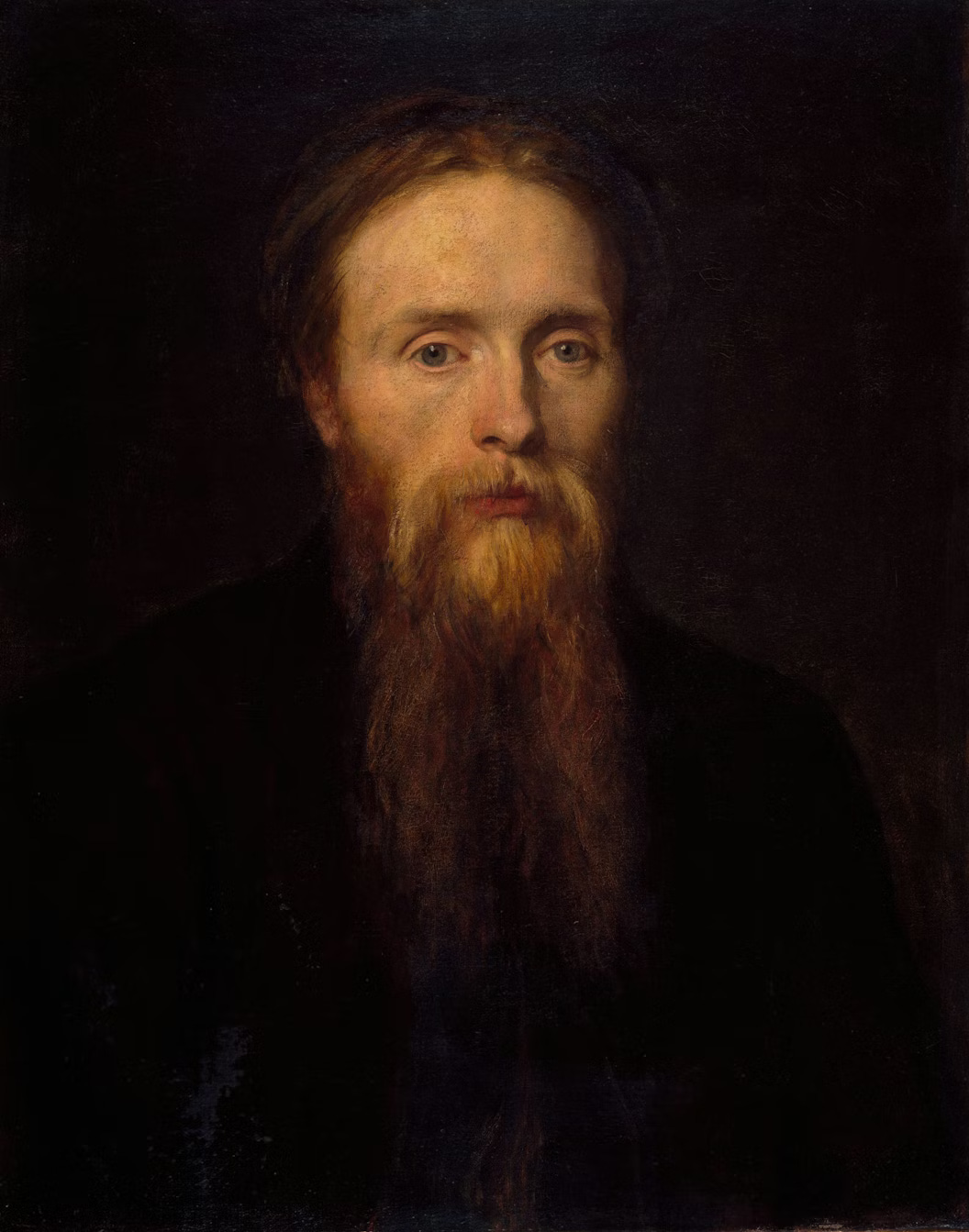
Fyodor Dostoevsky was the unrivaled master of psychological thriller—one could argue that he founded the genre—as his works delve into the dimmest recesses and the darkest corners of the labyrinths of the human soul. His characters shadow the reader long after they have turned the final page, returning to haunt each of us in our darkest nights of the soul.
Why are Dostoevsky’s characters so disturbing? Why do they creep into our consciousness and refuse to let go? The enduring appeal of Dostoevsky’s creatures—for he is the Dr. Frankenstein of literary monsters—is that they personify our worst impulses and most violent urges. The only difference—and it is often slighter than we care to admit–between them and us is that they chose to act on them. What is most terrifying about characters like the Karamazov brothers and Raskolnikov is that they hold up a mirror that reflects the worst angels of our nature while whispering a cautionary tale that we, too, are capable of this descent into darkness.
None of Dostoevsky’s creatures is more frightening in this regard than the unnamed narrator of Notes From Underground. Whereas Raskolnikov is a murderer, which gives most readers a degree of separation that allows them to write him off as a monomaniacal killer, the narrator is merely a misanthrope who has withdrawn from a world that has kicked him around one too many times. Who hasn’t felt that way? Who can honestly say that they cannot relate to the underground man’s pledge that he is going to bulldoze the next man who doesn’t make way on the sidewalk? It is a thought I have with clockwork regularity, but then again, I am a New Yorker.
The novella is structured as a confessional diary in which this former minor government official details a lifetime of petty rudeness, inconsideration, and social isolation that had finally beaten him down into the dust of a resigned submission. He has gone underground because he can no longer tolerate the brash and cynical creatures that pass for humans in the modern world. Like Raskolnikov, the narrator has a titanic ego; his very act of going underground is a statement of intellectual superiority. Dostoevsky brilliantly blurs the line between intellectualism and madness by juxtaposing the underground man’s sociological theorizing with rambling rants rooted in his manifold insecurities. It is good that he is left unnamed, for that allows us to put ourselves in his cynical shoes. Dostoevsky’s agenda is clear; he is imploring us not to forget we are all capable of becoming the underground man if we shut ourselves off from society and the love and companionship that can come from it.
In many ways, 1864’s Notes From Underground—considered by many the first modernist novel— prefigures the Demons and Dostoevsky’s second act crusade against excessive liberal political rationalism, which he believed culminated in revolutionary leftist nihilism. As Dostoevsky began to shade into Christian mysticism—a trajectory he shared with Leo Tolstoy, my preferred titan of Russian literature—his works became increasingly refutations of leftist ideology. Due to this metamorphosis, Dostoevsky is often dismissed as merely a reactionary writer. One cannot help but smile at the thought that such critiques rather prove his point about excessive leftist rationalism and reflexive contrarianism.
The underground man lives in the dark recesses of every person. This is the realization that truly haunts us, for we know that if we nurture our inner darkness and embrace the nihilism of the modern world, we too can end up underground, isolated from the world in our meager corners of existence. In fact, many people are already in this predicament; the algorithmic echo chambers and toxic alternate realities of social media have already isolated a large swathe of humanity, most troublingly the young, into their own digital undergrounds.