

The Road to Valhalla
How Iceland Inspired the “Immigrant Song” That Propelled Led Zeppelin into Mythology

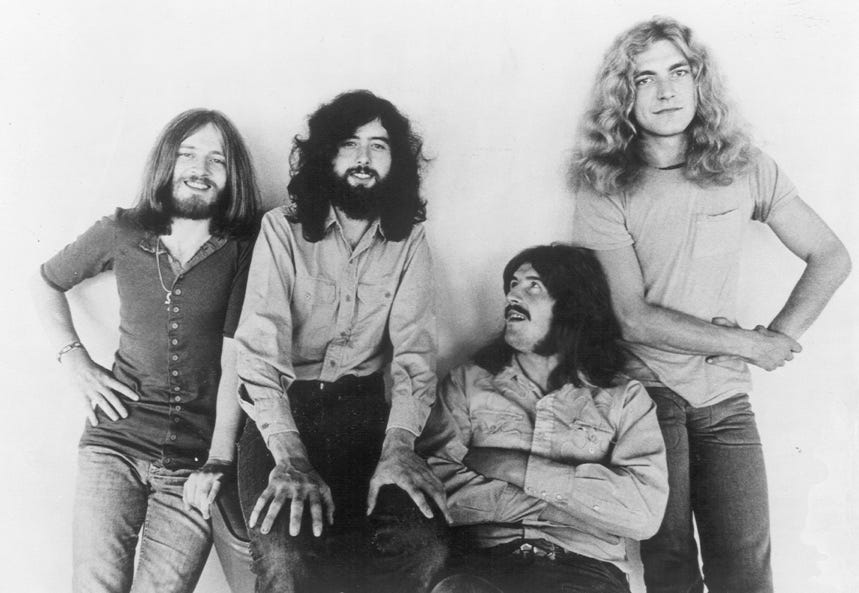
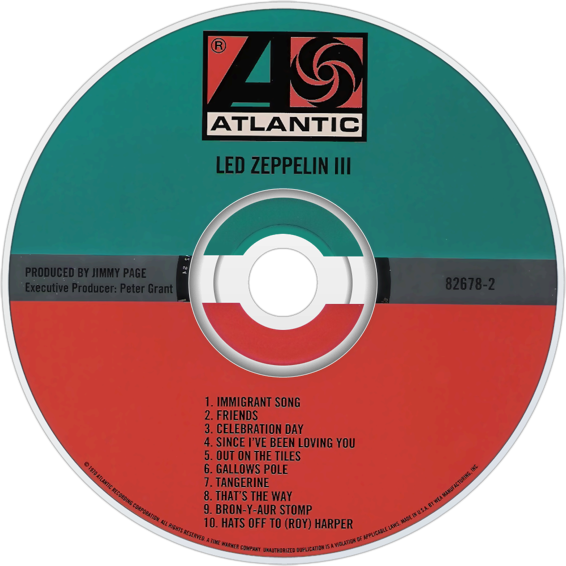
In 1970, Led Zeppelin III went over like a lead balloon with the critics. Part electric Viking saga, the rest acoustic Celtic spiritual, the album left critics initially scratching their heads. Among fans, the album’s release was highly anticipated—with over a million preorders in the U.S.—and instantly topped the charts. Despite the hype, the album polarized hard rock devotees, with many regarding it as an incoherent acoustic detour on the band’s road to inevitable stardom.
LZ III is Zeppelin’s Rubber Soul; it is the vinyl Rubicon when the band broke free from their early restraints to experiment with new genres, recording techniques, and instrumentation. This artistic diversification was signaled in the shift from pedal-thumping hard rock towards lighter Celtic-infused folk music (“Bron-Yr-Aur Stomp”) and acoustic meandering (“Gallows Pole,” originally an English folk ballad, “The Maid Freed from the Gallows”). Like The Beatles, Zep fully hit their stride with this experimental album and emerged from the transition to produce their best work. The world would not have “Stairway to Heaven” if not for the genre-bending jamming of Led Zeppelin III.
The quartet’s next two albums, Led Zeppelin IV (1971) and Houses of the Holy (1973), were the fruits of this experimentation. The albums were the pinnacle of the distinct Led Zeppelin sound that paired
Jimmy Page’s winding acoustic guitar intros with the mid-track Blitzkrieg of crashing vocals and percussion by Robert Plant and John Bonham. The genius of Zeppelin’s later arrangements was this seamless blending of two distinct songs—one folksy acoustic, the other brain-battering hard rock—into one coherently glorious whole. “Over the Hills and Far Away,” and the “Rain Song” in particular, exhibit this chiaroscuro effect that is hallmark Zeppelin.
A Zeppelin fan sitting down for a first spin of LZ III in the fall of 1970 would have experienced a sense of déjà vu with the opening track, “Immigrant Song,” a typical early Zep chord-burster weaving the tale of the Viking plunder of Anglo-Saxon England. The mythical imagery of warriors would become a staple in the later Zeppelin canon, witness such martial tunes as “No Quarter,” “Achilles Last Stand,” and “The Battle of Evermore.”
The Nordic theme of “Immigrant Song” was no accident.
The band kicked off their 1970 summer tour in Reykjavík, before moving on to Bath and Germany. Frontman Robert Plant’s brief survey of the surreal landscape inspired him to weave this musical tapestry of the “land of ice and snow,” under the “midnight sun” where “the hot springs blow.” Six days after opening the tour in Reykjavik, the band wielded the “Immigrant Song” like a Norse battleaxe, debuting it before 150,000 people at the Bath Festival of Blues and Progressive Music.
The one thing critics agree on is that at the Bath Festival, Led Zeppelin took off like a runaway rocket, becoming the bestselling rock gods of the 1970s. Robert Plant’s Iceland-inspired “Immigrant Song” launched the band into superstardom atop a musical longship. The band would open every concert from 1970 to 1972 with the number, and it stands second only to the immortal “Stairway to Heaven” as the band’s most-streamed song on Spotify.
The “Immigrant Song” was the bridge between the band Zeppelin had been and the legend they were to become; the tale of that journey is written in the grooves of their third album. As Plant’s Viking war cry faded away, youthful eyebrows were likely raised with the first strummed chords of the album’s second track, “Friends,” as the melody begins to soften. Across the rest of the album, Zep teases their audience, lulling them back into complacency with the blues-rock renaissance of “Since I’ve Been Loving You.” The B side sent fans scrambling to their turntables to see if they had spun the right record as “Tangerine” and “That’s The Way” shattered preconceptions while showing the world what the future of rock would be.
Led Zeppelin’s transformation did not occur in a vacuum. The late 60s and early 70s were a time of folk revival on both sides of the Atlantic. Following years of commercialized pop and hazy psychedelia, musicians wanted to communicate more transcendent messages to disillusioned youth who wanted more than mere entertainment from their music. In Laurel Canyon, Los Angeles, Crosby, Stills, & Nash were blending folk rock with singer-songwriter folk numbers to craft music with meaning, which erupted into the distinct California Sound that reached its zenith with The Eagles and Fleetwood Mac.
In the immediate post-Beatles landscape, as the Rolling Stones and The Who pummeled hard rock music into granite, many English artists were likewise searching for the sound of the future in this larger folk revival. Now-forgotten balladeer Nick Drake vied with the American-inspired Fairport Convention for mastery of the English folk scene. Led Zeppelin returned from its 1970 summer tour straddling each of these musical worlds. They had made their bones in their first two albums, blasting the hardest, bluesiest rock the world had yet seen in 1969. Yet traces of a more transcendent sound comprising deeper melodies and medieval harmonics often lurked between the power chords of Led Zeppelin I. The acoustically driven “Black Mountain Side” foreshadowed the elemental magic that was to come.
Glimpses of Robert Plant’s love of folklore and mysticism had appeared in earlier tracks, particularly 1969’s “Ramble On,” when Plant howls to the moon about J.R.R. Tolkien’s “darkest depths of Mordor.” The ice-cold Norse injections of Led Zeppelin III propelled the band into musical Valhalla, where they will remain for all eternity, resurrecting medieval sagas into rock ‘n roll anthems. The album’s strange fusion of English folk revivalism and Norse mythology was a result of Plant and Page’s rejection of modernity and their turn towards the mythological in search of music grounded in eternal truth rather than passing fads.
The spark that ignited in Reykjavik was kindled in Wales.
In May 1970, Robert Plant and Jimmy Page did what mystics have done for centuries: they retreated into the mountains in search of something more. There in the misty depths of Snowdonia—the rugged Welsh region whose very name seems to carry within its lyricism the promise of dragons and wandering druids—the two men retreated to Bron-Yr-Ur—an isolated eighteenth-century cottage where the Plant family had occasionally vacationed in the 1950s.
LZ III’s acoustic experimentation was inspired by this withdrawal from the world and subsequent rejection of modernity as the two men unplugged from society as well as their Marshall amps. Like Neil Young out in California, they retreated into the wilderness with their guitars and emerged with songs that would define the band’s future trajectory.
The songwriting duo of Plant and Page returned to England and were joined by bassist John Paul Jones and drummer John Bonham in rehearsals at Headley Grange—a former workhouse that was transformed into a leaking, drafty studio. There, around the spiraling wooden stairway where Bonzo erected his drums, Led Zeppelin was forged. The Headley Grange sessions—like Rubber Soul before it—were a democratizing moment when Zeppelin became a fully-formed partnership. Whereas the band’s first two albums had been largely Page’s creations, in Wales, the Plant-Page songwriting partnership was cemented. At a Headley-Grange, the band blossomed into an organic whole with the infusion of Jones’ musical virtuosity—the man could make a toothpick hum—and the compositional foregrounding of Bonham’s irreplicable rhythmic timing exploded the last remaining fetters that restrained them.
The band’s metamorphosis in Led Zeppelin III was not a one-act show. In Wales, the wizards conjured up a creative spark with an infusion of Celtic themes and ancient ballads. In Iceland, the rock ‘n roll Vikings summoned up a Nordic whirlwind to temper the red-hot melodies. At Headley Grange, the maestros distilled this heady brew of the ancient and the avant-garde into the classic Zeppelin sound.
Led Zeppelin went to Iceland in search of stardom. There, inspired by roaring Norse sagas and the mythical landscape, they discovered the song that would propel them beyond superstardom into mythology itself.